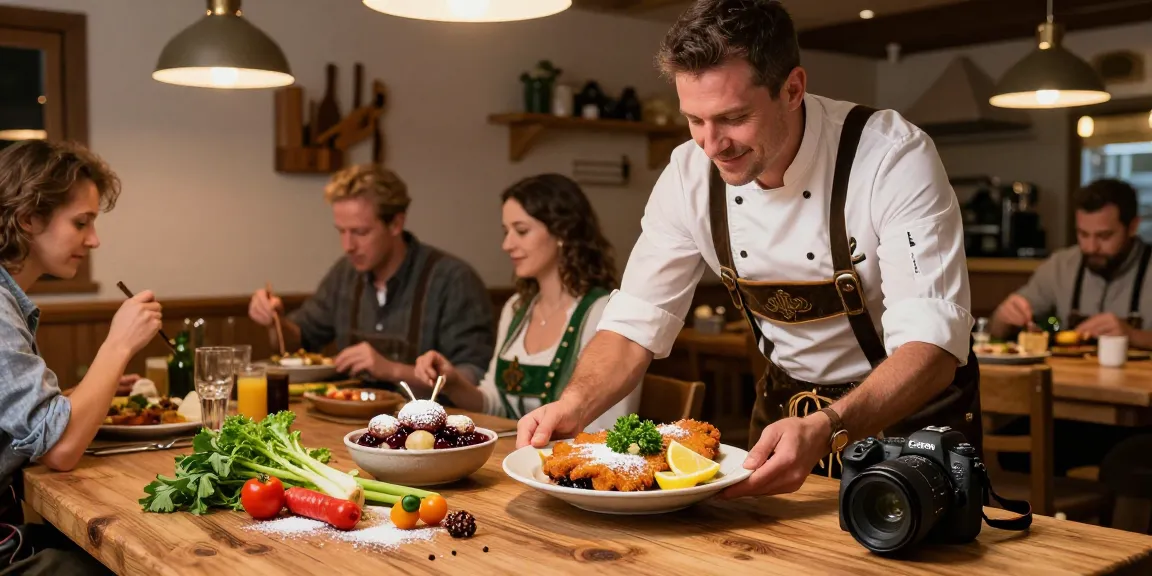
Introduction to the Best Dishes from Austria
Austrian cuisine is a delightful tapestry woven from centuries of culinary tradition, reflecting the rich cultural influences that have shaped this Central European nation. The culinary landscape of Austria is marked by its diverse flavors, hearty ingredients, and a deep-rooted connection to history. Whether you're a local or a visitor, exploring Die besten Gerichte aus Österreich is essential to understanding the country’s unique identity. From iconic main courses to delectable desserts, Austria offers a gastronomic experience that is as memorable as its majestic landscapes.
Why Austrian Cuisine Matters Today
In a globalized world, where culinary trends often overshadow traditional dishes, Austrian cuisine stands out as a testament to heritage and authenticity. Austrian food is not just about sustenance; it embodies the cultural nuances and stories of its people. Each dish tells a story, whether it’s the legacy of the Habsburgs or the rustic charm of Alpine farming. Today, chefs both in Austria and abroad are reviving and reinventing these classic dishes, ensuring their place in modern dining.
Key Ingredients That Define Austrian Food
Austrians emphasize using high-quality, local ingredients. Staples include:
- Potatoes: A versatile base for many dishes, from dumplings to baked goods.
- Meats: Especially pork, beef, and game, which feature prominently in hearty main courses.
- Dairy: Cream and cheeses, often used in soups and desserts, are vital components.
- Herbs and Spices: A blend of aromatic herbs enhances the flavors of Austrian dishes.
Overview of Land's Culinary Heritage
Austria's culinary heritage is deeply intertwined with its geography and history. From the lavish imperial kitchens of Vienna to the rustic farms of Styria, each region offers distinct flavors and techniques. The best dishes often draw on centuries-old recipes passed down through generations, making dining in Austria a treasured cultural experience.
Famous Austrian Main Courses You Must Try
The Iconic Wiener Schnitzel: A Classic
No visit to Austria is complete without savoring the Wiener Schnitzel. This dish, breaded and fried veal cutlet, boasts a crispy exterior and tender meat inside, often served with potato salad or lingonberry jam. Its origins can be traced back to Italian cucina, yet it has become synonymous with Austrian identity. The crafting of a perfect Wiener Schnitzel requires skill and precision, making it a beloved staple across the country.
Exploring Steirischer Backhendlsalat
Originating from Styria, the Steirischer Backhendlsalat is a delightful chicken salad that showcases the region’s culinary flair. This dish features crispy fried chicken served over a bed of fresh greens, pickles, and a light vinaigrette. The combination of textures and flavors creates a refreshing experience, perfect for warm days. Whether enjoyed in a local tavern or as a gourmet dish in a fine dining restaurant, it's a must-try for any food lover.
Delicious Kasnudeln: A Family Favorite
Kasnudeln are a beloved Austrian pasta dish that features a filling of creamy cheese, potatoes, and spices, all encased in tender dough. Commonly enjoyed in the Tyrol region, these dumplings are often served with melted butter and topped with crispy onions. Preparing Kasnudeln can be a fun family activity, making it not just a meal but also a cherished memory for many Austrians.
Irresistible Austrian Desserts You Can't Miss
Indulge in the Sachertorte Experience
The Sachertorte is perhaps the most famous of Austrian desserts. This decadent chocolate cake, layered with apricot jam and covered in dark chocolate icing, was invented in Vienna in 1832. It’s typically served with a dollop of whipped cream, which perfectly balances the richness of the cake. A visit to the historic Hotel Sacher is essential for an authentic taste of this iconic dessert.
The Sweetness of Marillenknödel
Marillenknödel, or apricot dumplings, are a delightful treat made from sweet dough encasing a whole apricot. Often rolled in breadcrumbs and dusted with sugar, these dumplings offer a perfect blend of sweetness and texture. Originating from the Wachau region, Marillenknödel are a seasonal favorite during summer, when apricots are plentiful. They reflect Austria’s ability to transform simple ingredients into extraordinary flavors.
Discovering the Linzer Torte
As the world’s oldest known cake recipe, the Linzer Torte is a true gem of Austrian cuisine. With a delicate balance of ground nuts, spices, and raspberry jam, this tart is both visually appealing and delicious. The Linzer Torte's origins date back to the early 19th century, and it remains a popular choice among locals and visitors alike. It’s often enjoyed with coffee, making it a staple in Austrian cafés.
Regional Specialties: A Culinary Journey
Exploring Flavors from Vienna
Vienna is a culinary wonderland, filled with traditional eateries offering dishes such as Tafelspitz (boiled beef) and Gulasch (goulash). Each dish reflects the city's rich history, where imperial influence meets modern gastronomy. Dining in Vienna is as much about the ambiance as it is about the food, with historic coffeehouses providing a unique experience.
Culinary Delights from Styria
Styria stands out for its pumpkin seed oil, which adds a distinctive flavor to many dishes. This oil is a key ingredient in traditional salads and is often used to enhance meats and vegetables. The region is also famous for its hearty stews and schnitzels that showcase local game and produce, reflecting the culinary diversity of the area.
A Taste of Tyrolean Traditions
Tyrol offers an array of rustic dishes that highlight the region’s mountainous environment. Dishes like Speckplatte (cured meats) and Tiroler Gröstl (pan-fried potatoes with beef) are hearty and satisfying, perfect for after a day of hiking. The use of preserved meats and root vegetables emphasizes the importance of seasonal cooking in Tyrolean cuisine.
Practical Tips for Enjoying Austrian Cuisine
Where to Find Authentic Dishes
To truly experience Austrian cuisine, seek out local Gasthäuser (guesthouses) or family-run restaurants. These establishments often serve traditional dishes made from family recipes, providing an authentic taste of Austria. Additionally, visiting local markets can offer a unique opportunity to sample regional specialties and discover seasonal ingredients.
Dining Etiquette in Austria
When dining in Austria, it's important to observe local etiquette. Always greet your hosts and fellow diners, and wait for everyone to be served before beginning to eat. It’s customary to keep your hands on the table during the meal (but not your elbows), and saying “Guten Appetit” before you start is a polite gesture.
Bringing Austrian Flavors Home: Recipes to Try
For those inspired by Austrian cuisine, several recipes can be attempted at home. Start with the Wiener Schnitzel, as it’s a straightforward dish that captures the essence of Austrian cooking. For dessert, trying your hand at making Sachertorte or Linzer Torte can be a rewarding experience, allowing you to share a piece of Austria with family and friends.
What is the significance of Wiener Schnitzel in Austrian culture?
The Wiener Schnitzel is more than just a meal; it is a cultural icon representing Austrian hospitality and tradition. Its preparation and enjoyment often bring families and friends together, making it a dish synonymous with celebration and comfort.
How to prepare authentic Sachertorte at home?
Preparing an authentic Sachertorte involves creating a rich chocolate cake layered with apricot jam. Pay special attention to the icing, as it should be glossy and smooth. Recipes vary, but key ingredients include high-quality dark chocolate and butter for the best flavor.
What are the best places to experience Austrian cuisine?
From Michelin-starred restaurants to quaint village Gasthäuser, Austria offers a myriad of places to experience its cuisine. Cities like Vienna, Salzburg, and Innsbruck have vibrant culinary scenes, showcasing both traditional dishes and innovative takes from contemporary chefs.
What are common misconceptions about Austrian food?
One common misconception is that Austrian cuisine is solely heavy and meat-based. While traditional dishes often feature meat, there is a rich variety of vegetarian options, particularly with the use of seasonal vegetables and grains.
How can I find regional specialties when traveling in Austria?
To discover regional specialties, engage with locals and ask for recommendations. Participating in food tours or cooking classes can also enhance your experience, providing deeper insight into the culinary traditions of each region.